
AI Could Change Organic Foods
Precision Farming and Big Data in the Big Fields

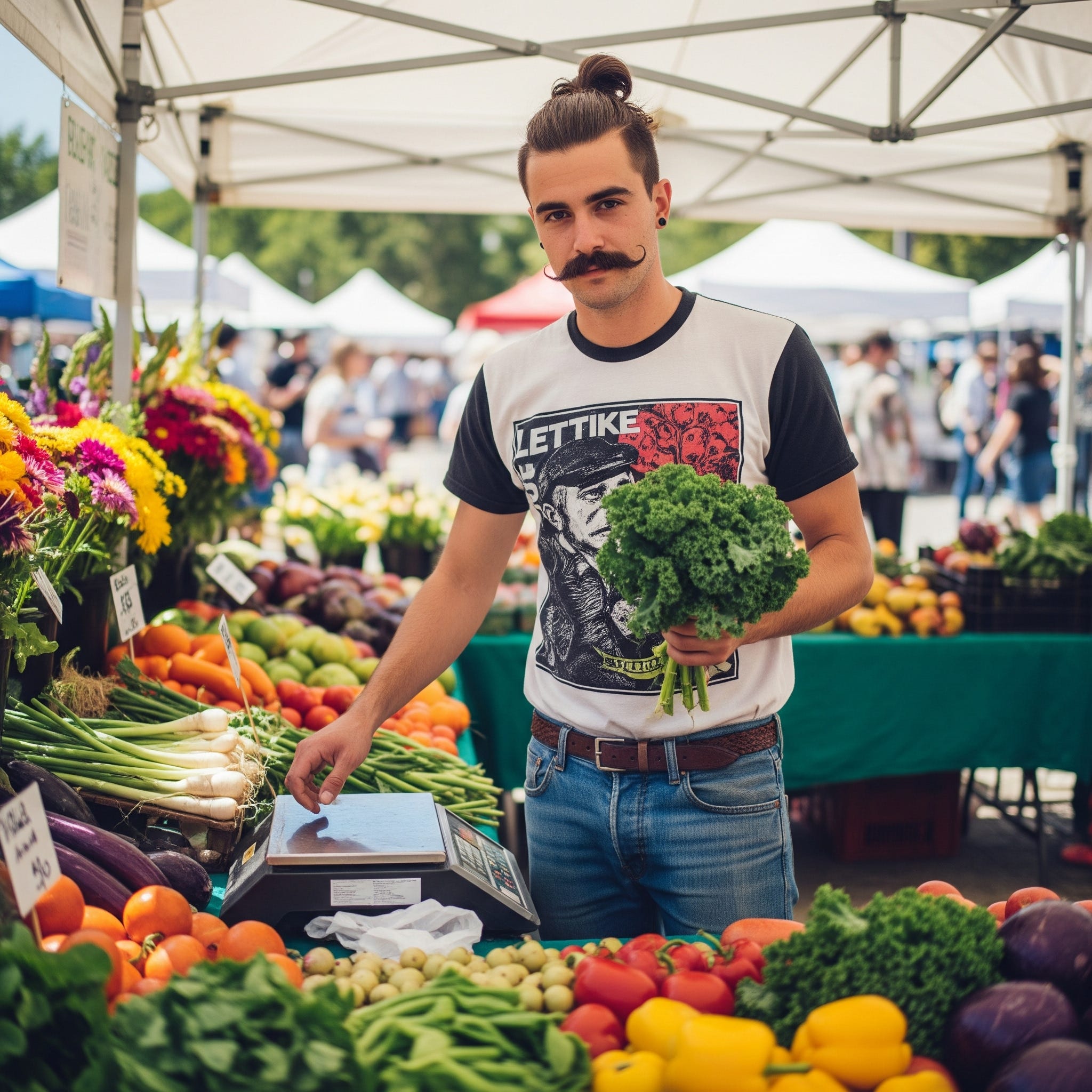
You ever, like, feel the difference when you eat something that hasn’t been doused in pesticides and, like, genetically modified into oblivion? I’m totally stoked to bring you this post. I’m all about, you know, real food here. None of that non-GMO-but-still-not-really-good-for-you, vibe killing stuff. My friend, your aura will EXPAND when you eat that whole food, all organic goodness.
Oof. That’s enough of that.
Have you encountered the insufferable, man-bunned, mustachioed hipster at your local farmers market scolding you for not eating all organic? If you think that’s bad, imagine how much worse it could get when AI gets involved.
The use of AI in precision farming is about increasing yield per acre of arable land. Will access to the data make a melon sweeter? Probably not, but it will make sure we have more of them and that’s what we need.
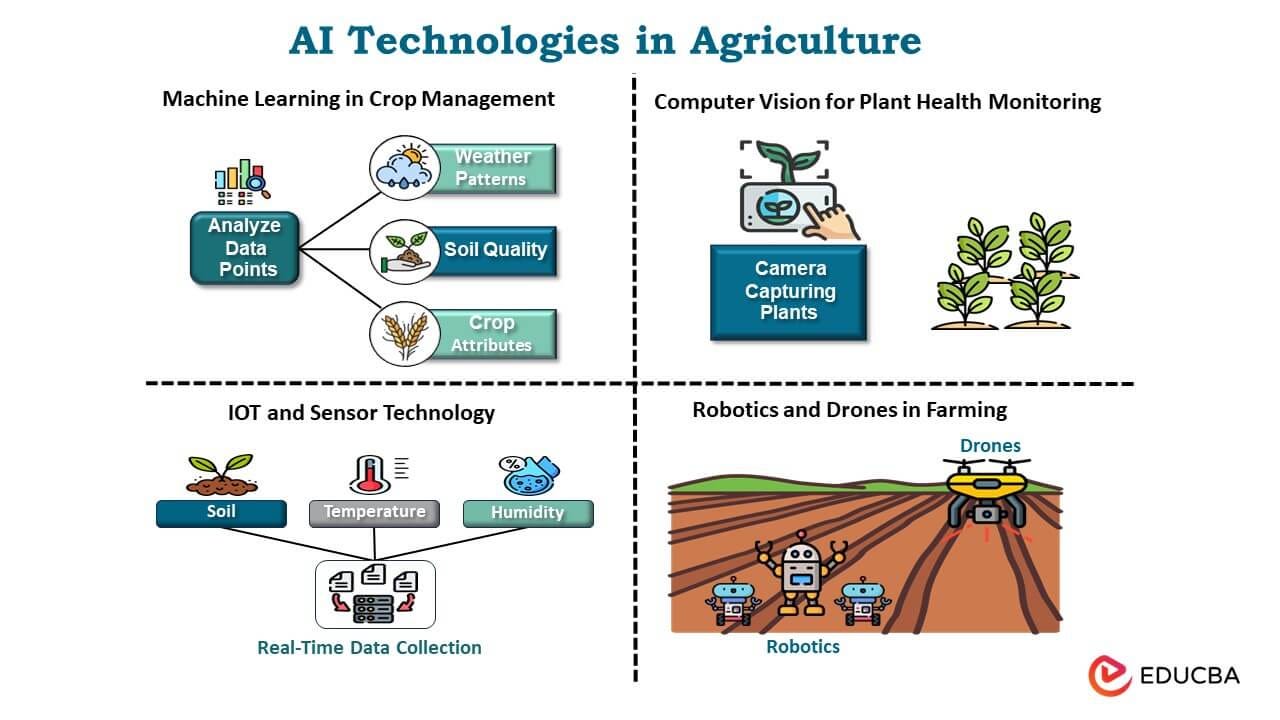
On farms across the country and the world, farmers are finding new technology-enabled ways to increase their yield. They are bringing internet connected sensors, data collection, and artificial intelligence (AI) into the fields to create precision farming. This concept uses a convergence of emerging technologies to tend to every aspect of crop growth on a tiny scale to increase yields while minimizing water and resource waste.
What determines whether a food is considered organic is governed by the US Department of Agriculture (USDA) in the United States and will be covered more below. But as AI continues to change how we think about farming, it may also change how we think about what is meant by organic. Is AI coming for our farmers markets? Our hipsters?
Organic Food
This is an easy term to throw around, but there’s quite a bit that goes into what can and cannot be called organic. Organic standards are overseen by the USDA’s Agricultural Marketing Service (AMS). The National Organic Program (NOP) is a specific program within AMS that makes the federal rules (i.e. regulates) that govern organic foods. The NOP derives its regulatory authority from 7 CFR Part 205 and was created by the Organic Foods Production Act of 1990. The NOP is a 15 member Federal Advisory Committee, and its proposed rules are open for public comment. The rules are extensive, but they cover requirements and prohibited practices for all varieties of food to be considered organic. USDA provides this graphic overview to help consumers understand the basic requirements of organic foods:
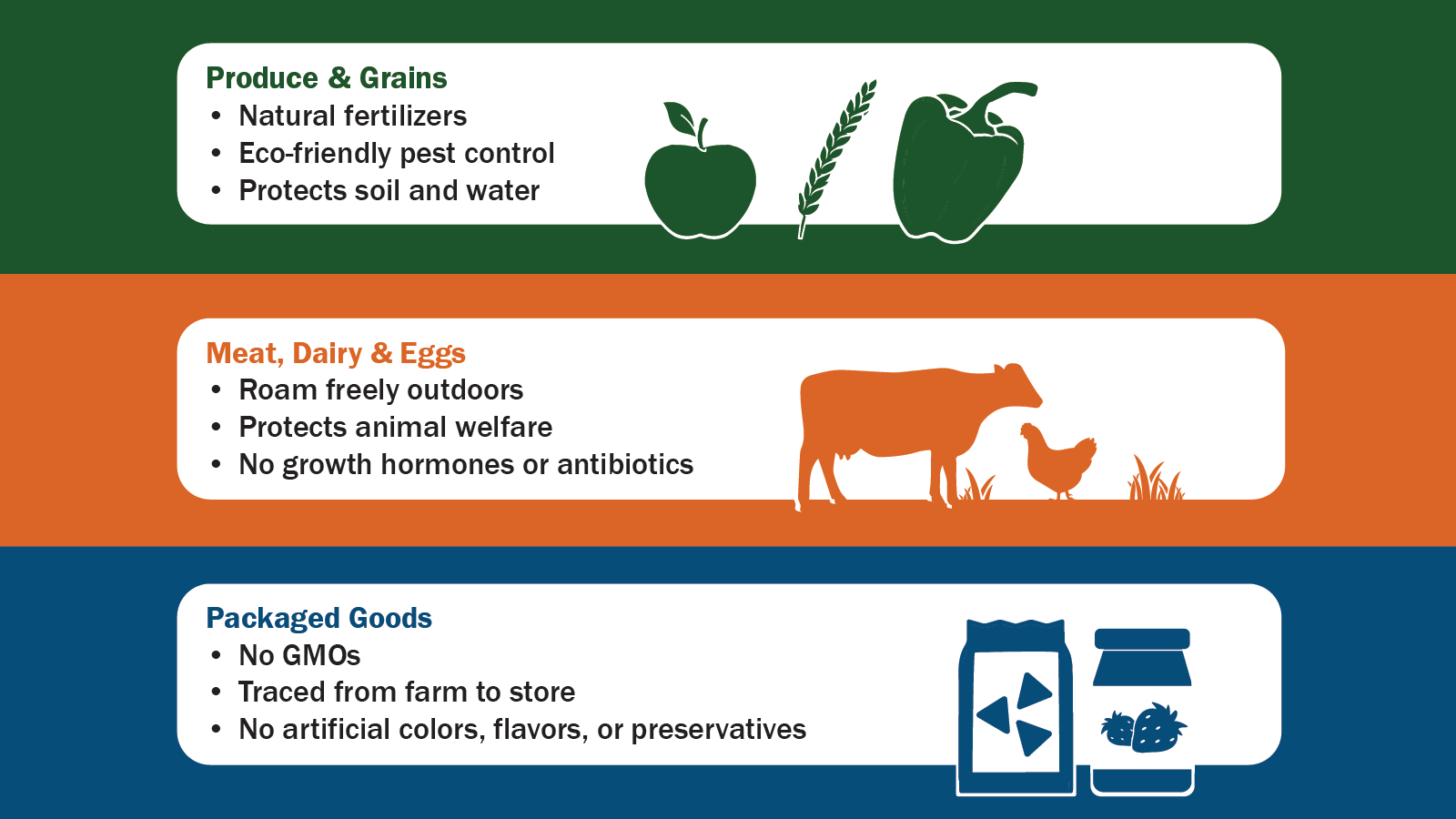
Focusing for a moment on the green band, you see the use of natural fertilizers, eco-friendly pest control, and protects soil and water. There is excruciating depth on each of these if you are so inclined in the USDA rules, but the way we understand these requirements may change as AI gives us more and more fidelity into our hyper-optimized farming practices. To understand how this might change, let’s talk about precision farming.
Farming with Data
A full history of farming is outside the scope of this piece, but the injection of AI and data analytics along with autonomous systems is certainly a milestone. Farming is a distinctly human activity that touches each of us directly. We’ve been cultivating plants so long that it is a part of our DNA. Even if you don’t have a “green thumb” most people still walk past an impressive garden or vast farm and see beauty and feel some level of connection…because the connection is biological.
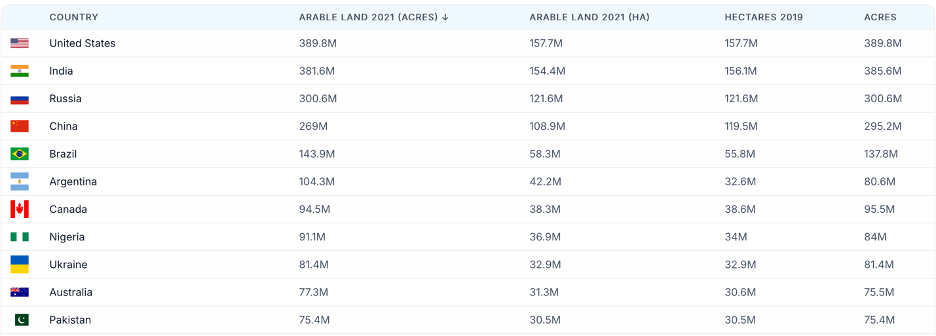
Humans will always toil away with their gardens, watch bees busily pollinate flowers, and try to find ways to keep squirrels away from tomatoes, but there’s a scale problem. As the world’s population increases, it’s arable land frustratingly does not. In many cases, arable land is shrinking. In 2021, the top five countries with the most arable land were:
United States: 389.8M acres
India: 381.6M acres
Russia: 300.6M acres
China: 269M acres
Brazil: 143.9M acres
A look at the chart below reveals that in the case of India, the amount of arable land decreased from 385.6M acres in 2019 to 381.6M acres in 2021. China saw a bigger drop, 295M to 269M while Brazil saw an increase. The chart also reveals a 245.9M acre difference between number 1 on the list and number 5. That means the concentration of arable land is far from equitable and does not at all line up with the top countries by population.
The math problem isn’t hard. In most cases, we have less access to arable land but the number of people we need to feed with the output from that arable land is growing. That means that every acre of arable land needs to produce more food. Humans have been improving farming methods for thousands of years, but not for this scale. This scale demands precision. Data, robotics, and AI give us precision.
Precision farming is not a single system the same way that smart cities are not a single system. Both are examples of technology convergence. Precision farming is made up of unmanned aerial vehicles, AI, robotics, autonomous systems, cloud data storage, and more. This convergence creates a system whereby crops can be cared for on a literally microscopic level.
If you want to raise plants, you need to raise soil. Soil is an incredibly complex ecosystem of microbes, nutrients, moisture, and other soil dwellers. It’s also not monolithic. Just in a simple flowerpot, you’ll find differing levels of nutrients and moisture in different parts of the pot. This tends not to matter much because you are not growing at scale. But it is possible to optimize even a potted plant to ensure the plant is getting exactly the right amount of water at the exactly right time and provide the exact nutrients it requires. One of many frustrations with gardening is that the rules bend. Yes, plants need water, but too much will kill them. Yes, plants need nitrogen, but too much will likewise kill them. The right amount varies by plant and by climate. Imagine scaling this up to entire fields or even all the arable land in a given country.
Precision farming helps us minimize waste by providing the right amount of water at the right moment combined with the right fertilizer where it is needed. Every plant in a field may not require the same water so why water them as if they do? Many farming communities cannot afford to lose water or expensive fertilize this way. This speaks directly to sustainability of farming practices. It also generates reams of data on precisely what fertilizer was used and in what quantity. The potential for transparency in our farming practices is immense.
Trust of Overload?
People should understand how they get their food that goes beyond the grocery store. The USDA’s NOP is an attempt to give consumers that transparency and increase trust. As we deploy AI into more and more fields, we will have larger and larger data stores that tell us far more about our farming methods than we ever thought. We will know the amount and type of fertilizer(s) used PER PLANT and can compare that level to average levels over years of harvest from the same field. We can also compare those numbers to numbers from a neighboring field or a foreign field and that will enable more choice. Maybe.
The integration of AI into our food production will improve efficiency and conserve valuable farming resources. It will also get more production our of an acre of land than ever before. But there’s another angle. It will also create new levels of competition between farmers and provide huge amount of information to consumers. Whether this is ultimately a good thing for consumers and/or farmers remains to be seen.
Another aspect is the organic label itself. In the future, AI and its associated data may introduce the ability to create dynamic organic and sustainability labels rather than static certifications like we see today. Maybe labels are scores on a scale rather than a single sticker. With that will come the requirement to educate consumers on the difference and what it means for them specifically. There’s potential to accidentally create a bias against foods below a certain score like grade D meat versus grade A. There are potential impacts to producers if this is not handled correctly.
Small famers might be at risk because if the market demands fidelity to this level for every kind of produce, that means small farms will need the precision farming equipment to produce foods with the transparency demanded. The small roadside produce wagons with the old coffee can where you can leave your cash may become a thing of the past.
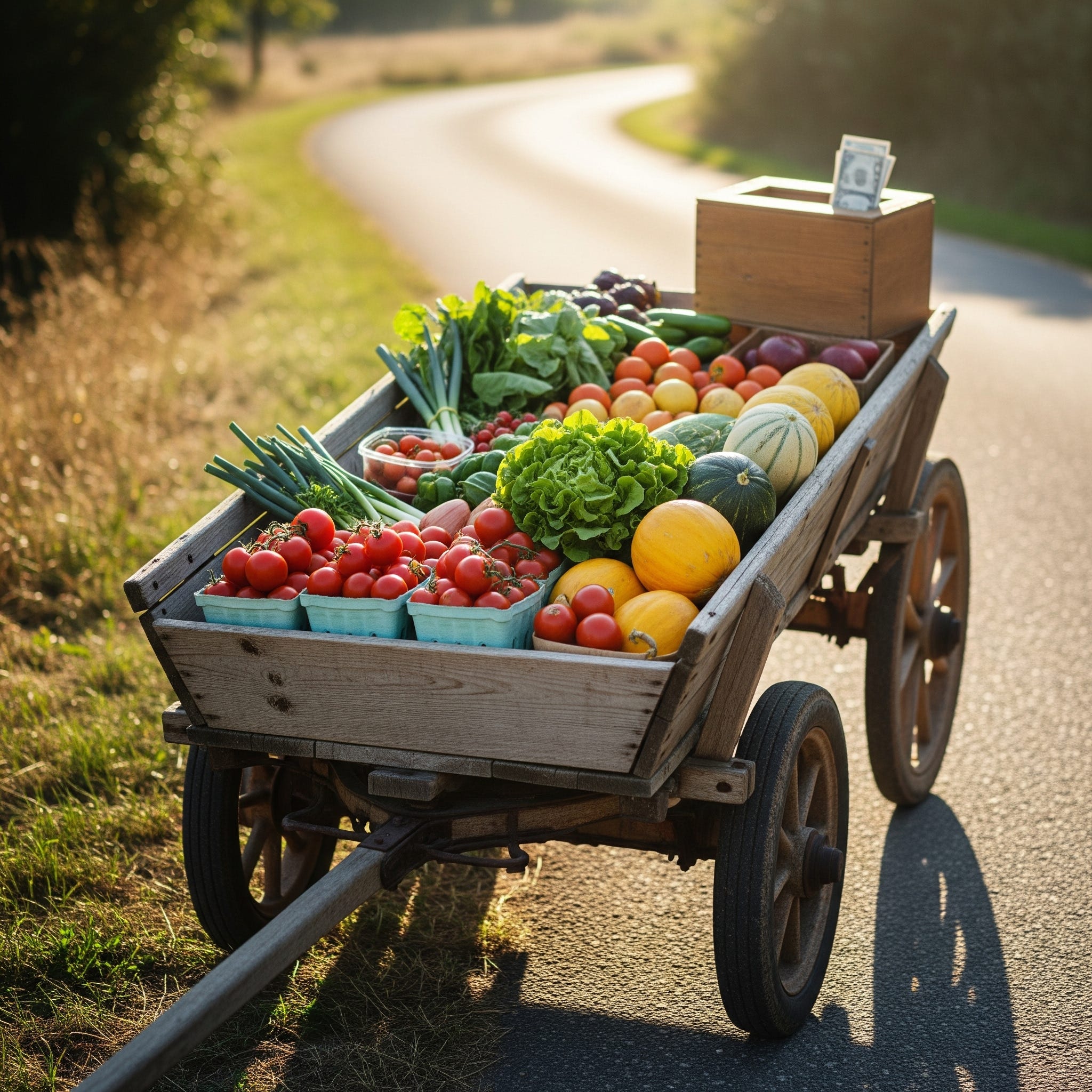
Finally, we need to decide whether this amount of precision data is creating transparency and choice or overload. While it is absolutely necessary to optimize our production per acre, how this translates into the consumer’s choice needs to be considered. Most people would love to buy fresh tomatoes from a roadside stand like the above, but will they feel comfortable doing so if they can’t trace the provenance of each fruit?
Precision farming methods are going to necessitate changes to how the USDA and NOP approach organic certifications and the implications are directly on each of us. Maybe farmers market hipsters aren’t your cup of tea, but most people can agree on the wonderful experience of a perfectly ripe tomato, slightly warm from the sun, or a melon that’s only been off the vine for an hour.
If we approach precision farming as a way to increase yield, we will get from it what the convergence of all those technologies in the field are best applied to: increasing yield. If we bring the output of those technologies into our organic processes, we might overload the consumer. We also might push small scale farmers out of production. That’s the opposite of what we need.
Let us render unto the hipsters that which belongs to the hipsters.