The Emerging Technology that Saved the Pilgrims
Happy Thanksgiving from The Binary Breakaway!

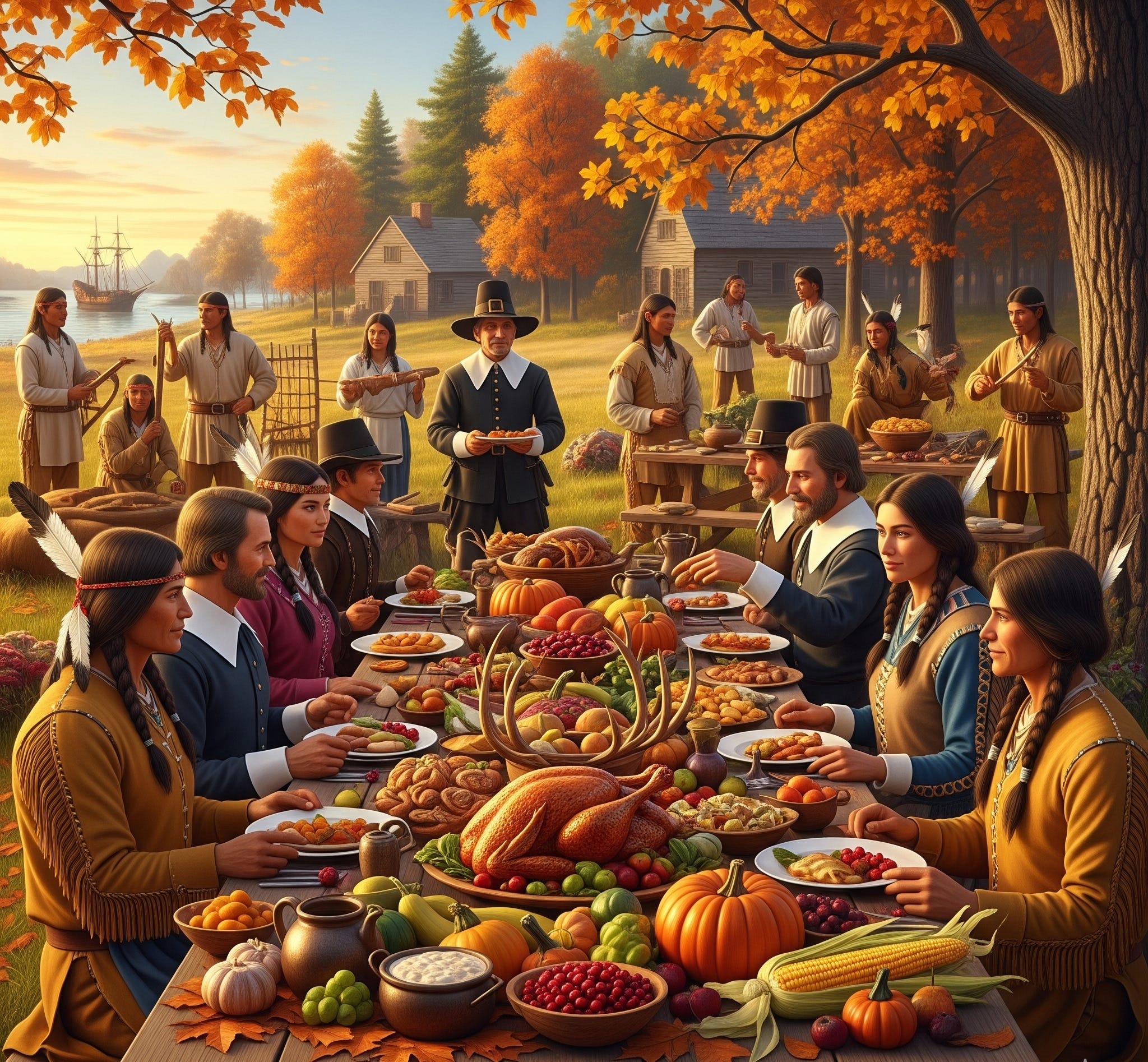
When I was in graduate school, my wife had a great idea. My class was majority foreign students, and we’d become great friends with most of them. Her idea was to have all the foreign student over to our home to show them an American Thanksgiving. Countries represented included Turkey, Colombia, Azerbaijan, Russia, Afghanistan, and more. Thanksgiving was just any other day to them, but we wanted to give them the experience. We had a turkey and everything you can imagine for the spread. Our tiny dining room table was so full of the food that no one could sit at the table. People migrated out to the living room and even the stairs with plates in their laps enjoying the meal. We even put on the traditional Thanksgiving football games, which were far less popular among the non-American audience.
That idea created a tradition that we carry on to this day. We invite friends and people in our lives that don’t have a place to go for the holiday to our home for Thanksgiving. It’s become my favorite holiday and one that I particularly enjoy sharing with those who have never celebrated.
Thanksgiving is a holiday that America gets right. Sitting down over a bountiful meal and giving thanks for the positives in a given year is a practice we should do more than once a year. In our home, we put on a curated Thanksgiving playlist and set up bottles of wine, beer, and liquor to enjoy throughout a multi-course meal. We’ve never officially imposed a no screens rule but on reflection, I’ve never seen screens at the table adding to the excellence of the tradition.
As we all learned through countless elementary school Thanksgiving pageants, Thanksgiving is the celebration of a dinner between the Pilgrims and Native Americans after the Pilgrims arrived on the Mayflower at Plymouth Rock. The true story of the first two years of the Pilgrims’ ordeal is not the stuff of children’s pageants. The truth is that the Pilgrims needed saving by a Native American tribe that inhabited the area where they landed after being blown off course after an arduous two-month journey at sea.
This Thanksgiving, we will be looking at the historical truth of the Pilgrims and Native Americans and what specific agricultural technologies saved them from starvation.
Arrival
The Pilgrims were a group of English separatists who originally fled persecution in England for The Netherlands. The group feared their children were losing their English identity, so they secured a contract through some investors to establish a colony in the Virginia Territory in North America. In 1620, 102 Pilgrims and other colonists set sail for the New World. Harsh 17th century at-sea conditions made the journey difficult on all. Toward the end of the journey, the ship was blown off course and missed its original landing site, which was near the Hudson River. At the time, at-sea navigation still suffered from an inability to calculate longitude making how far east-west one was in the ocean nearly impossible to calculate accurately. The voyage of the Pilgrims was almost 150 years before the invention and implementation of the chronometer, which would have helped them get back on course and land in the intended position.
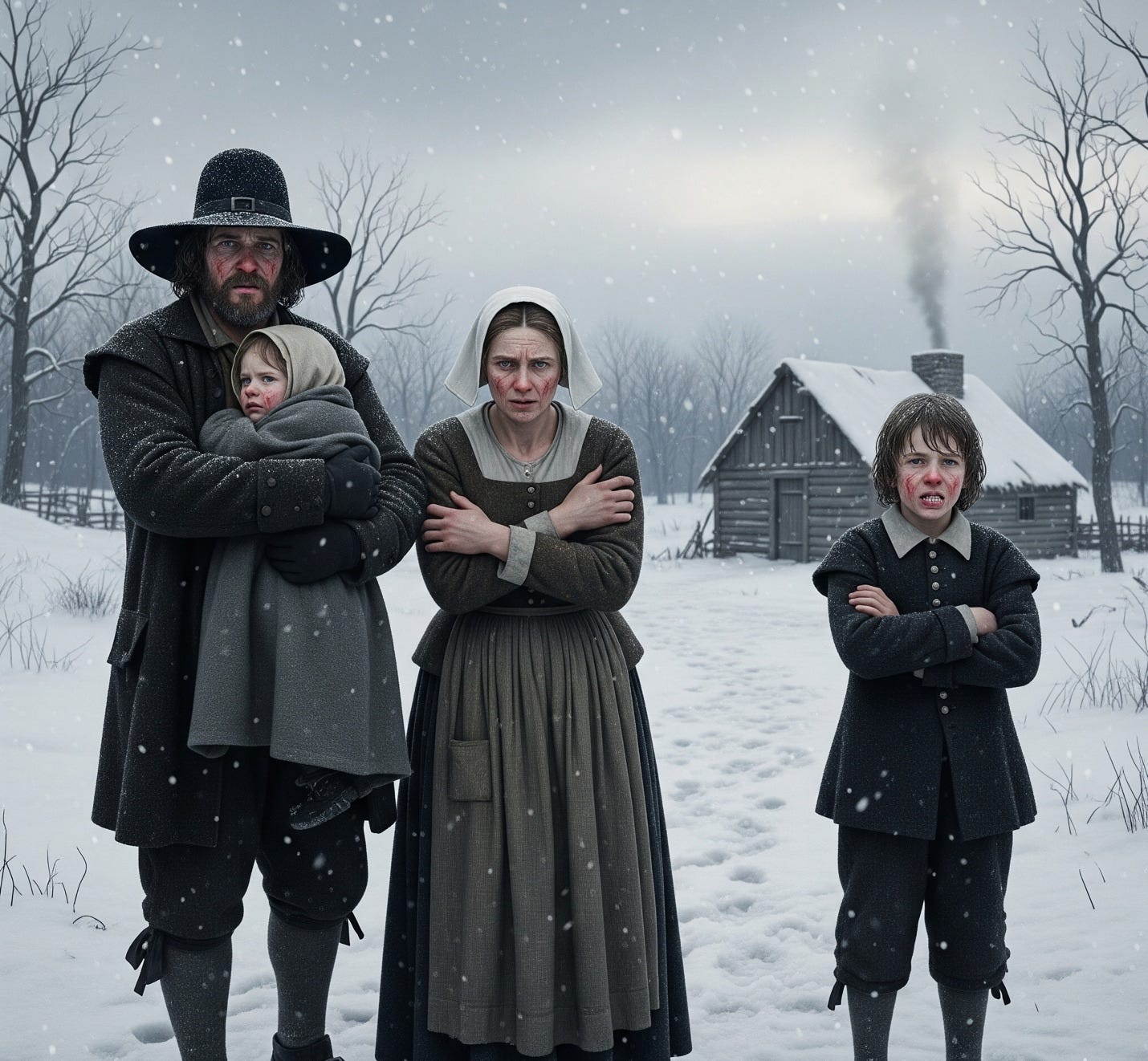
The Pilgrims landed in an area already populated by a Native American tribe called the Wampanoag. This tribe had seen English settlers before, and some had even been kidnapped and sold into slavery. The first winter was devastating for the Pilgrims, who were unaccustomed to the harsh conditions and unique farming requirements of the area. This is where the traditional story of Thanksgiving really begins.
Strategic Friendship
Nearby, the Wampanoag were having struggles of their own. An early plague brought on by previous English settlers wiped out nearly 90% of their population. Their leader, Ousamequin, knew his tribe was vulnerable to attacks from rival tribes like the Narragansett and was looking for some security. The Pilgrims, for all their failures as farmers, did have superior technology and weapons offering some degree of protection.
A Wampanoag man named Samoset, who had learned some English from traders, walked into the Plymouth settlement one fateful day. After a discussion with the Pilgrims, he returned a few days later with Tisquantum, a member of the Patuxet tribe who is better known as Squanto. Squanto had a remarkable story: he had been kidnapped years earlier by an English sea captain, sold into slavery in Spain, and eventually made his way to London before returning to his homeland only to discover his entire village had been wiped out by the plague.
Squanto with his superior English language skills became the savior of the Pilgrims. He taught them specific techniques for survival in the harsh New England climates and imparted specific agricultural “innovations.” There were other innovations in agriculture in the world at the time, but these were not available to the Pilgrims and would have in some cases not improved their plight. Instead, Squanto set out to teach them a few strategic innovations that in no small measure changed the course of American history.
Three Sisters Companion Planting
This was arguably the most important piece of agricultural knowledge shared by the Wampanoag. It is a form of polyculture, a time-tested technique that has been used by indigenous peoples across the Americas for centuries. The system involves planting three crops together:
Corn: Provides a tall stalk for the beans to climb, keeping them off the ground and ensuring they get sunlight.
Climbing Beans: Use the cornstalks as natural trellises. Critically, beans are "nitrogen-fixers." They have a symbiotic relationship with soil bacteria that convert atmospheric nitrogen into a form that plants can use. This replenishes the soil with a vital nutrient that the corn consumes heavily.
Squash (including pumpkins): Planted at the base of the corn and beans. Their broad, spiny leaves provide a natural ground cover that shades the soil, helping to retain moisture and suppress weeds. The spiny vines also act as a deterrent to pests.
The Pilgrims were used to planting single crops in large, open fields, a practice that would have quickly depleted the already poor soil of New England.
Fish Fertilization
The Wampanoag taught the Pilgrims to fertilize their corn mounds by burying herring or other small fish. The decomposing fish provided a rich source of nutrients, especially nitrogen, to the newly planted corn seeds. This was a critical step in a region where the soil lacked the deep, fertile loam the Pilgrims were accustomed to in England.
Native Crops
The Pilgrims arrived with seeds from England for crops like wheat, barley, and peas. These crops were not well-suited to the New England climate, which had a shorter growing season and different soil characteristics. The Wampanoag provided the Pilgrims with seeds for local varieties of flint corn, which was a hardier, dry corn that could withstand the shorter, cooler growing season. This corn was not eaten fresh on the cob but was dried and ground into flour or cornmeal.
The Right Tools
The Wampanoag had developed tools specifically for the soil conditions. They used hoes made from clam shells or deer shoulder blades to prepare the soil and tend their crops. The Pilgrims, who lacked draft animals for plowing and had brought unsuitable European hoes, found that these traditional methods were far more effective for working the stony, sandy soil.
Thanks to the teachings of Squanto and the Wampanoag, the harvest season of 1621 was bountiful. The Pilgrims invited their Wampanoag friends for a traditional English harvest feast to which the Wampanoag brought six deer in an extraordinary act of diplomacy. There is no evidence of a turkey being served.
Giving Thanks
The feast that would become a national holiday in 1863 as an effort to create unity in a nation at war probably seemed like a far-off hope just one year before. The Pilgrims were familiar with farming techniques of their homeland but not those in their new home. Even while they were laying the foundation for our holiday, there were other agricultural innovations underway that the Pilgrims would not have been aware of including:
Crop Rotation (Preventing fallow)
Seed Drills (Invented by Jethro Tull. No, not that one)
Selective Livestock Breeding
Land Reclamation and Drainage Techniques
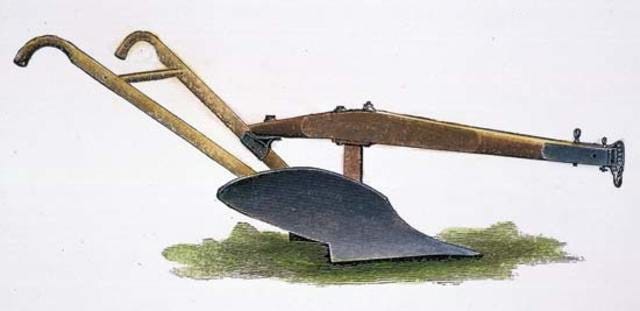
The Pilgrims didn’t know of these current or coming innovations and they wouldn’t have helped. Fortunately for all of us, the Pilgrims found an alliance with the Wampanoag and had a friend in Squanto. The 1621 feast led us to the feast I hope everyone will enjoy this week.
I think back to that first Thanksgiving with my graduate school friends. We laughed, we talked about Thanksgiving, and we ignored the football games. We’ve all disbursed since then and I hope maybe some of them have preserved the spirit of Thanksgiving in their own family traditions.
Happy Thanksgiving from the Binary Breakaway. We will be off Thursday in observance of the holiday.
Dedicated to the memory of our friend Naqib Ahmad Khapulwak.